
The Horizon Blog
Welcome to the blog space of Horizon Healing Counselling.
Here, you’ll find meaningful insights, reflections, and practical tools to support your mental health. Think of this blog as a heartfelt extension of our therapy work: grounded, honest, and deeply compassionate. Our hope is that it offers clarity, comfort, and inspiration.
We’re grateful you’re here and honoured to walk this path with you.
With warmth,
The Horizon Healing Counselling Team


Boundaries With Love: Honoring Yourself in Family Relationships
By Maryam Sadeghzadeh
In many families, love is expressed through closeness, being available, being loyal, being involved. But what happens when that closeness starts to feel overwhelming? When saying “yes” means abandoning your own needs? When keeping the peace means staying silent? That’s where boundaries come in.

Boundaries vs Rules: What's the Difference?
by Lochleen MacGregor
Setting boundaries can feel surprisingly hard. Many of us grew up having our limits ignored, pushed aside, or disregarded. Over time, we can get so used to stretching ourselves thin that we don’t even notice when our line in the sand is slowly being dragged farther and farther out to sea. When that line finally gets crossed, we’re overwhelmed by the wave. We feel out of control, resentful, or flooded.
But learning to set healthy boundaries is one of the most empowering skills we can build. It starts with understanding what boundaries truly are, and what they are not.

Rebuilding After Rupture: How Families Begin to Heal
By Maryam Sadeghzadeh
Conflict in families is inevitable. We all make mistakes. We say things we regret. We withdraw, react, or shut down. Sometimes, the rupture is subtle a slow growing apart. Other times, it’s sharp and undeniable: a betrayal, a broken promise, a deep misunderstanding. Whatever the cause, family ruptures hurt. And if you're reading this wondering whether it's possible to rebuild after something has been broken, know this: healing is possible, but it rarely happens by accident. It takes courage, intention, and time.

Family Conflict , Why It Hurts So Much
By Maryam Sadeghzadeh
“Conflict is inevitable, but combat is optional.”
Max Lucado
Most of us expect that family should feel like a safe place, a place of comfort, care, and connection. So, when conflict arises within the family, it often cuts deeper than in other areas of life. Whether it’s tension between partners, misunderstandings between parents and children, or long-standing issues with siblings or extended relatives, family conflict is uniquely painful because the stakes feel so high.

Finding Connection When You Feel Alone: Practical Ways to Ease Loneliness
by Lochleen MacGregor
Loneliness touches every single one of us at some point. Sometimes it’s a quiet ache; other times it’s an all-consuming emptiness. We’re wired for connection. When we’re isolated, our minds and moods shift. Loneliness can also show up when you’re surrounded by people. That’s a different kind of loneliness, and one that can feel even more confusing.
So what can you do when you feel disconnected? Here are some gentle ways to start easing loneliness and rebuilding connection.

Emotional Currents in Families: What We Feel but Don't Always Say
by Maryam Sadeghzadeh
“Families are where we learn to feel—or to not feel.” — Virginia Satir
Every family has an emotional climate. Sometimes it's warm and safe, other times it feels tense, quiet, or full of unspoken things. Whether we grow up with two parents, one parent, stepparents, chosen family, siblings, grandparents or we’re starting a family of our own with a partner or children, there are emotional patterns that shape how we relate to each other.
These patterns can be comforting or confusing, nurturing or heavy. And often, the most powerful emotions in a family are the ones that never get said out loud.

What Makes a Family?
by Maryam Sadeghzadeh
“Family is not an important thing. It’s everything.” — Michael J. Fox
When we hear the word “family,” what comes to mind?
For some, it's a warm memory of connection and comfort. For others, it may bring up pain, longing, or a sense of distance. In truth, family means different things to different people, and the definition continues to evolve.

Dating With Intention: Do’s and Don’ts for Building Healthy Connections
by Lochleen MacGregor
Do you ever feel like you keep attracting the same type of person over and over again?
Paying attention to both your own behaviour and the signals others give you in those first few dates can give a smoother start to a relationship.
Here are some helpful Do’s and Don’ts to guide you as you step into new relationships.

Self-Connection: The Root of All Healthy Relationships
by Maryam Sadeghzadeh
“The most terrifying thing is to accept oneself completely.”
— Carl Jung
We often think of relationships as something outside of us, our connections with partners, family, friends, or coworkers. But the most foundational relationship we will ever have is the one we hold with ourselves.
And yet, for many of us, that relationship is filled with judgment, self-doubt, and internal conflict. We speak to ourselves in ways we would never speak to someone we love. We ignore our own needs. We try to “fix” parts of ourselves rather than sit with them with compassion.

Building Resilience When Life Feels Heavy: 5 Tools to help you bounce back
by Lochleen MacGregor
How do resilient people keep moving forward when life gets hard?
They lean into five key areas. And good news, you can too. You don’t have to be born with resilience. It’s a skill — and like any skill, it can be built.
These are 5 things you can do to help you build resilience.

The Foundation of Every Healthy Relationship
by Maryam Sadeghzadeh
“Connection is why we’re here; it is what gives purpose and meaning to our lives.”
— Brené Brown
Connection is at the heart of the human experience. Whether it’s between partners, friends, coworkers, parents and children, or even neighbors, our relationships shape how we see ourselves and the world around us.
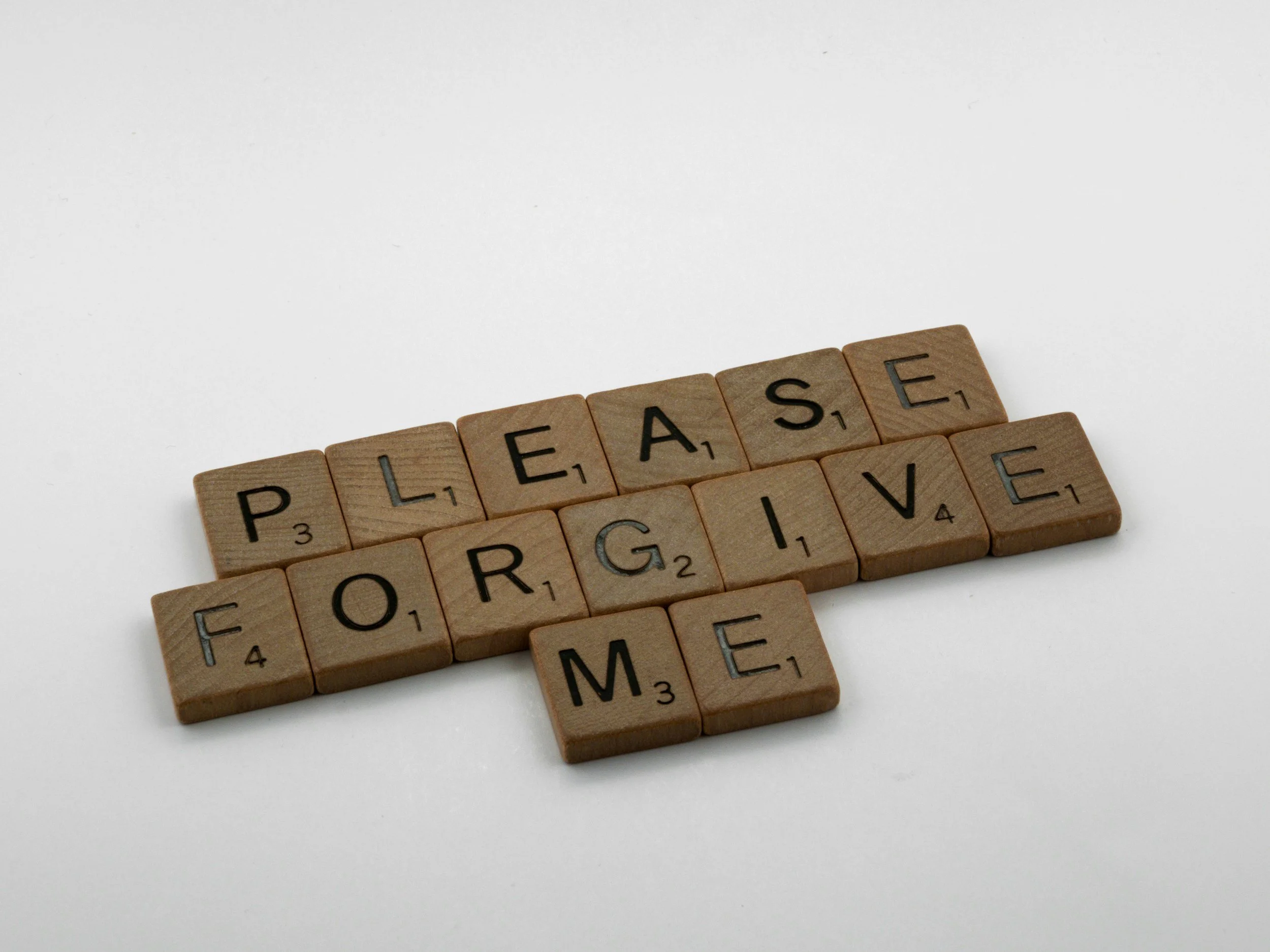
7 Steps to a Meaningful Apology
by Lochleen MacGregor
A sincere, meaningful apology can help repair a connection, rebuild trust, and show someone that you truly understand their experience.
So what makes an apology work? How can you tell if someone (or you!) really gets it—and isn’t just saying sorry to smooth things over?
Here are 7 steps to help you give (or recognize) a heartfelt, effective apology.

7 Questions to Help You Know If You Are With the Right Person
by Lochleen MacGregor
How do you know when you’ve found your person? It can be helpful to pause and reflect: Am I choosing the right kind of person for me? Sometimes, someone looks perfect on paper. They check all the boxes—but something just feels... off. These seven questions can help you figure out if your relationship is built on something deeper and more lasting.