
The Horizon Blog
Welcome to the blog space of Horizon Healing Counselling.
Here, you’ll find meaningful insights, reflections, and practical tools to support your mental health. Think of this blog as a heartfelt extension of our therapy work: grounded, honest, and deeply compassionate. Our hope is that it offers clarity, comfort, and inspiration.
We’re grateful you’re here and honoured to walk this path with you.
With warmth,
The Horizon Healing Counselling Team


procrastination and the grammar of silence
Every day we communicate. With ourselves, with our co-habitants, co-workers, companions, and during all that communication, we focus very little on the patterns of how it all gets put together. Now, as a grammar teacher, I could go on and on about the merits of paying attention to grammar and the emotional depths your word choices have (despite the fact that we maybe don’t realize that) but today we are going to focus on one of the deepest grammars we have: the grammar of silence.

The Mental Load: When “Doing the Thing” Isn’t the Whole Job
By Lochleen MacGregor
Ever feel like you're carrying 60 tabs open in your brain while your partner is only seeing the one task in front of them? Mental load isn't just about doing the laundry or buying groceries. It's the invisible work of anticipating, planning, deciding and remembering everything that keeps a household running.

language anxiety: fight, flight, fawn, or freeze
In British Columbia it is mandatory for students who want to go on to university to study an additional language. Traditionally, that language has been French (due to the bilingual nature of ‘Canadianism’), but traditions change, and now students have the opportunity to study Spanish, Punjabi, French, Mandarin, Japanese, SENĆOŦEN, and a handful of other languages depending on the school district in which they are studying.

You Don't Need to Know Why to Set a Boundary
By Lochleen MacGregor
We spend an incredible amount of energy trying to understand why other people behave the way they do. Was it their childhood? Their attachment style? Trauma? Anxiety? A diagnosis? Understanding can be valuable—but sometimes the search for an explanation keeps us stuck in relationships that are hurting us. You don't need to know why someone behaves badly to recognize that their behaviour is hurting you. Sometimes the more important question isn't "Why are they doing this?" but "Is this relationship safe, healthy, and reciprocal for me?"

why heal the horizon?
By Jordan Delville-Pratt
Have you ever sat on a beach or near a body of water and just looked out onto the horizon? Or out across an array of treetops, branches billowing in the breeze. People have been connecting to the horizon for longer than the written word; something about it evokes the imagination because shifting to a wide view forces your eyes to use panoramic vision, which signals your brain to turn off the stress response. This reduced pressure on your eyes -- the most overused and abused of all our sense organs, allows us to re-connect to the big picture and provides us with space and time to consider our place in it.

The Story Behind "You're Too Much"
By Lochleen MacGregor
Have you ever been told you're "too much"? Too emotional. Too sensitive. Too intense. Those words can stay with us for years. But what if being "too much" isn't actually the problem? What if it's a signal that something deeper deserves our attention?

How to Find Closure After a Relationship Ends
By Lochleen MacGregor
Sometimes the hardest part of a breakup isn't losing the person, it's losing the future you imagined together. If you've ever waited for an apology, an explanation, or one final conversation that never came, you're not alone. Here's why closure is often something we create for ourselves, not something another person gives us.

How Processing Your Emotions Changes Your Life
by Lochleen MacGregor
What do you do when your emotions completely take over?
Most of us think emotional regulation means suppressing our feelings, but that's not actually the goal. Healthy emotional regulation means learning how to pause in the moment, respond intentionally, and process what you're feeling afterward. That simple shift can change your relationships, your confidence, and even how you experience stress.

How Living Authentically Affects Your Relationships
by Lochleen MacGregor
Love alone isn't enough to sustain a relationship. Trust, vulnerability, honesty, and authenticity matter too. When we hide parts of ourselves or wear masks to gain acceptance, intimacy suffers. In this article, I explore how living inauthentically affects connection, trust, and emotional safety—and why being yourself is one of the greatest gifts you can give your relationships.

Being Open Without Oversharing
By Lochleen MacGregor
Sharing your story is important — but sharing everything too quickly can leave you emotionally exposed. This blog explores trauma dumping, emotional pacing, vulnerability, and why healthy relationships are built through earned trust, not immediate disclosure.

Knowing Your Worth
by Lochleen MacGregor
What does it actually mean to “know your worth”?
For many people, it’s not about believing they’re worthless — it’s about believing they have to handle everything alone. This blog explores self-worth, self-esteem, asking for help, and learning that being strong doesn’t mean carrying everything by yourself.
The Power of the 90-Second Pause
By Lochleen MacGregor
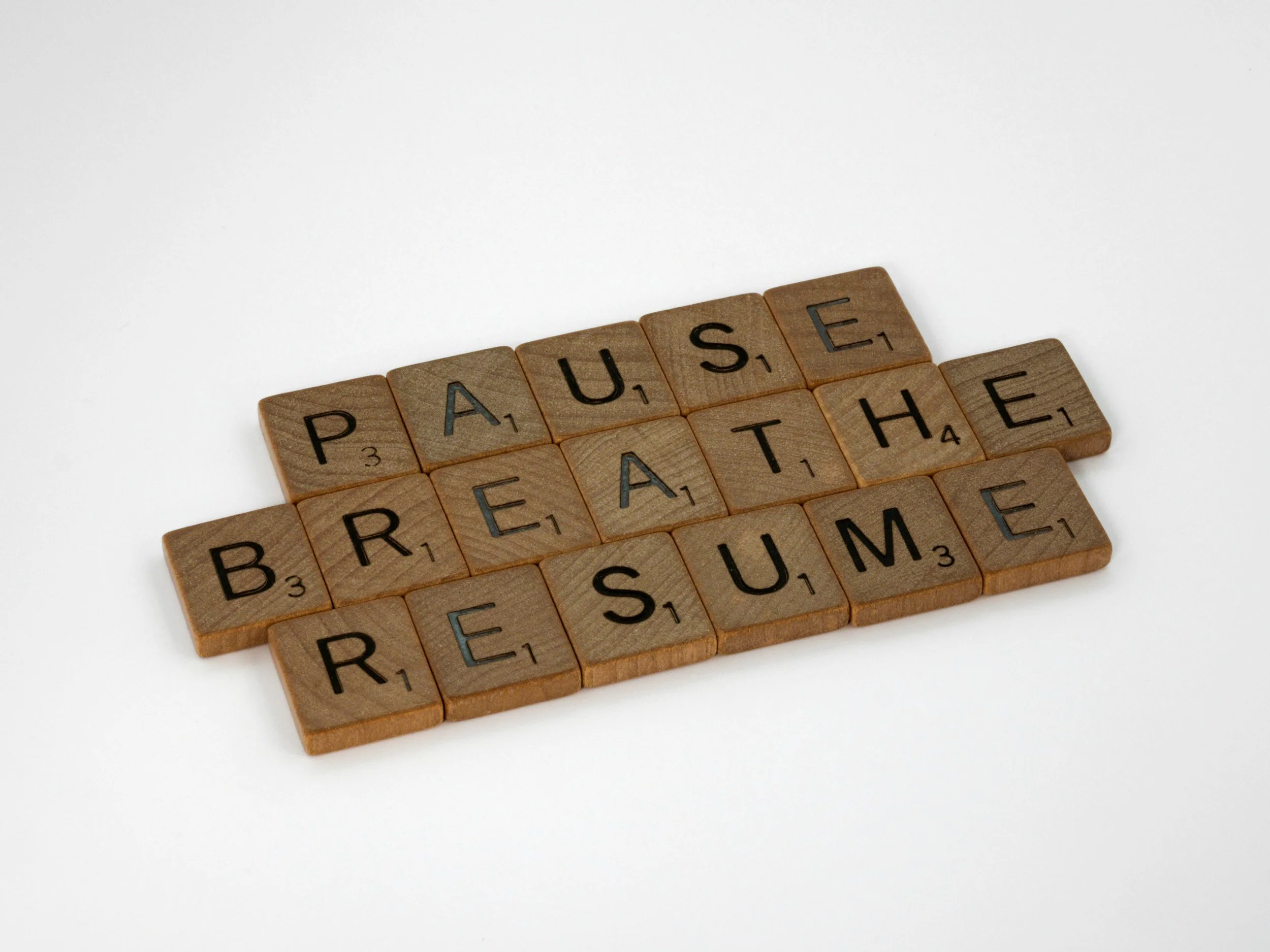
Anxiety often convinces us that every feeling is an emergency. But what if the most powerful thing you could do in moments of panic was… pause?
This blog explores the “90-second pause,” a simple grounding technique that can help calm your nervous system, reduce emotional reactivity, and create more stability for yourself and the people around you.

The Happy Hormones: What They Are and How to Get More of Them
By Lochleen MacGregor
We hear a lot about stress hormones like cortisol and adrenaline—but what about the chemicals that help us feel calm, connected, motivated, and happy?
If you’ve been feeling emotionally drained, overwhelmed, anxious, or stuck, your body might be asking for more than just rest. It may need more joy, connection, movement, sunlight, or nourishment.
The good news? Many of the things that increase our “happy hormones” are small, accessible, and completely free.

Start Where You Are: Small Ways to Improve Your Life Today
By Lochleen MacGregor
What if improving your life didn’t require a complete overhaul?
What if small, intentional steps—taken consistently—could gently move you toward something better?
As we recognize Mental Health Month, this is your reminder: growth doesn’t have to be overwhelming to be meaningful.
Caring for Aging Parents: Navigating Love, Responsibility, and Boundaries
by Maryam Sadeghzadeh
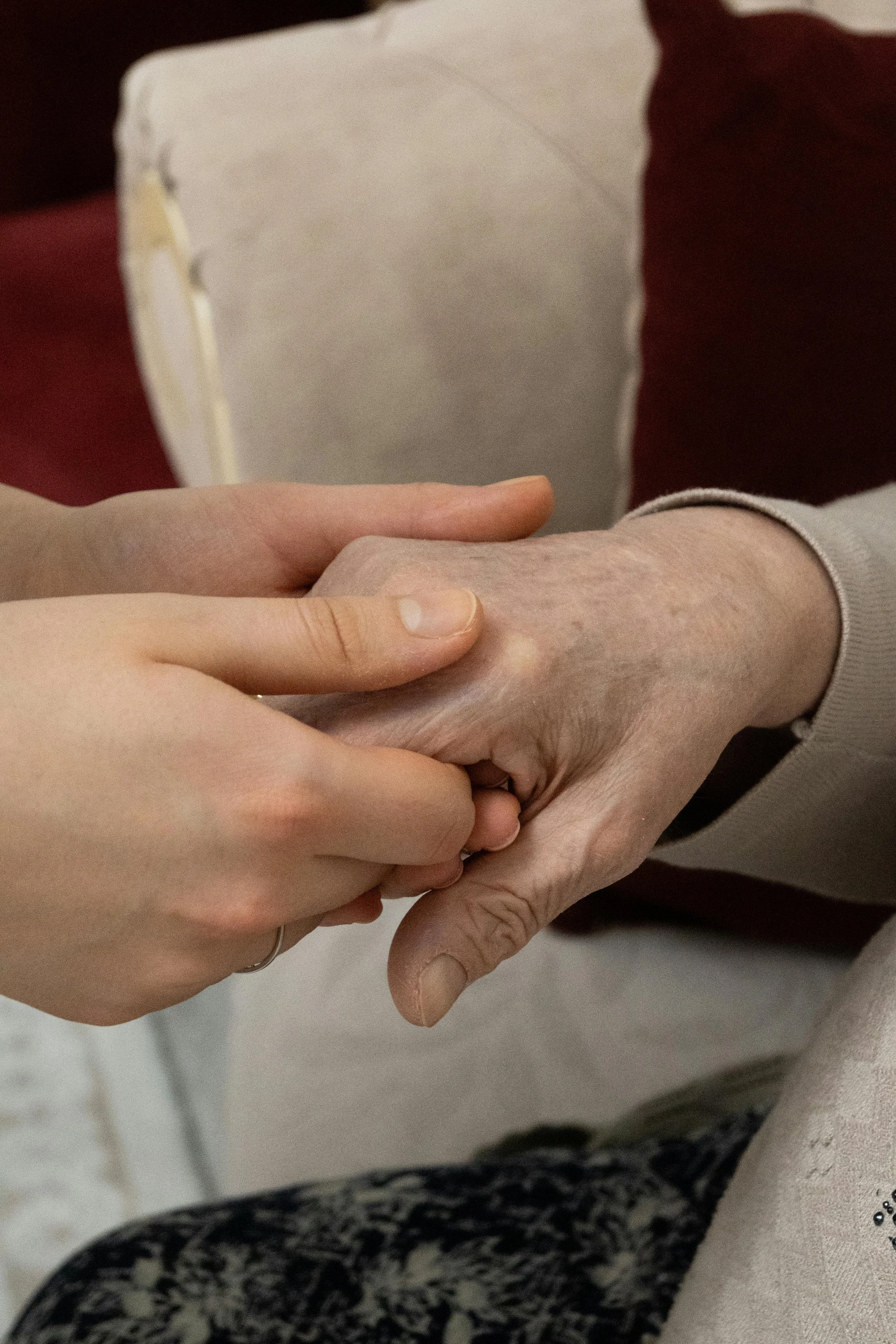
There often comes a season in life when the people who once cared for us begin to need care themselves.
For many adults, supporting aging parents can be one of the most meaningful and emotionally complex family experiences. It may bring tenderness, gratitude, stress, grief, guilt, frustration, or all of these at once.

7 Ways to Stop Rumination & Move On
by Lochleen MacGregor
Have you ever replayed a moment so many times that it starts to feel like it’s living rent-free in your head?
Breakups, missed opportunities, painful conversations, and disappointments can trap us in endless mental loops. We imagine better outcomes, different choices, and the version of events that should have happened. But the more we replay the past, the harder it becomes to move forward.
Letting go doesn’t mean pretending something didn’t hurt. It means learning how to stop feeding the thoughts that keep us stuck. In this article, I share seven practical ways to help your mind release the past and start moving forward again.

Sibling Relationships: Love, Rivalry, and Lifelong Bonds
by Maryam Sadeghzadeh
For many of us, sibling relationships are some of the longest connections we will experience in our lifetime. Brothers and sisters often share the same home, the same parents, the same traditions, and many of the same childhood memories.
Yet despite this shared beginning, sibling relationships can be beautifully close, quietly distant, or sometimes deeply complicated.
Unlike friendships that we choose later in life, siblings enter our story from the very beginning. They witness our earliest versions of ourselves, our childhood fears, dreams, mistakes, and triumphs. In many ways, they hold pieces of our personal history that no one else fully understands.
Because of this, sibling relationships can carry both deep affection and unexpected tension.

What Does “Doing the Work” Actually Mean?
by Lochleen MacGregor
When it comes to therapy and personal growth, we often hear the phrase: “You have to do the work.”
You can go to therapy… but you still have to do the work.
So what does that actually mean?

Why We Act the Way We Do
by Lochleen MacGregor
Ever made a decision you knew wasn’t good for you… and did it anyway?
You’re not alone. Most of us have chosen short-term comfort over long-term peace at some point.
The good news? There’s always something underneath those choices—a need, a fear, or a pattern that can be understood.
This week’s blog shares gentle questions to help you understand your motivations and make choices you can feel proud of.

Beyond Sleep: How to Truly Rest and Recharge
By Lochleen MacGregor
Many of us feel exhausted without really understanding why. We might be getting enough sleep, but still wake up feeling drained. If this sounds familiar, it’s possible that you’re missing another type of rest your body or mind needs.
A few years ago, Dr. Saundra Dalton-Smith identified seven different types of rest that people need in order to feel restored and functional. As you read through them, notice which ones you might be missing. Many of these forms of rest don’t require a huge time commitment. Even 20–30 minutes can make a difference.
And if you’re thinking, “I don’t even have half an hour,” I understand. As someone who used to put everyone else first, it was incredibly hard to prioritize myself. But the truth is, if you don’t care for yourself, no one else can do it for you.
You deserve your own loyalty, too.